Local Flavors: What to Eat in the Dominican Interior
Fueling the Physical Demands of the Interior
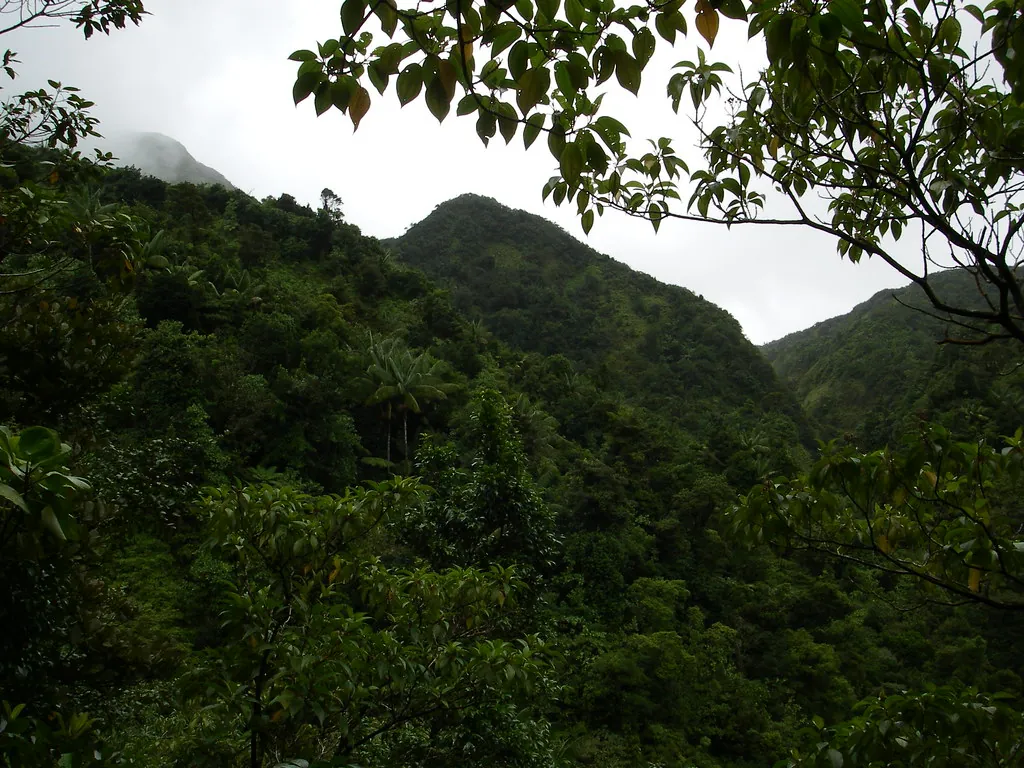
Navigating the terrain of Morne Trois Pitons National Park exacts a heavy physical toll. Visitors arrive at Titou Gorge—the exact canyon made famous as a Pirates of the Caribbean filming site—prepared for a casual swim, only to discover the intense resistance of a strong upstream current. The physiological response to the cold water inside the cavern is immediate. Your body shunts blood to your core, your heart rate elevates, and you burn through glycogen stores simply trying to maintain an internal temperature baseline. Recovering from this exertion requires more than a simple snack. It demands the dense, slow-burning carbohydrates that have sustained mountain farmers and forest navigators on this island for generations. The culinary landscape of the Dominican interior remains strictly utilitarian—designed to restore energy, generate heat, and utilize the immediate agricultural yields of the volcanic soil.
You will not find delicate plating or imported fine-dining ingredients in the villages of Laudat or Wotten Waven. Instead, local eateries construct plates around heavy starches, aggressively spiced proteins, and dense, nutrient-rich liquids. Before you embark on a multi-hour hike or immediately after you complete your swim through the canyon, you must recalibrate your diet to match the environment.
The Morning Ritual: Bake and Saltfish
If you arrive in the Roseau Valley early in the day, your primary objective should be securing a portion of bake and saltfish. This combination serves as the foundational breakfast across the island. The “bake” refers to a simple disc of dough, fried until the exterior forms a rigid crust while the interior remains dense and chewy. The accompanying “saltfish” consists of rehydrated, salted cod—a preservation method necessary before the era of widespread refrigeration—flaked and sautéed with chopped onions, sweet peppers, and local tomatoes.
The high sodium content of the fish directly replenishes electrolytes lost through sweat, while the fried dough delivers an immediate caloric payload. Most roadside stands and small bakeries along the route from Roseau to Laudat prepare this fresh at dawn. If you arrange a guided rainforest sightseeing tour, ask your driver to stop at a local vendor on the ascent. It provides the precise combination of salt and carbohydrates you are looking for.
Understanding Ground Provisions
Any hearty meal ordered in the high-altitude villages revolves around “ground provisions.” This categorical term describes the starchy root vegetables pulled directly from the island’s fertile mud. The mandatory components include dasheen, tannia, yam, and sweet potato. Cooks boil these tubers in heavily salted water or submerge them in savory gravies. They act as the structural anchor of the Dominican lunch.
Dasheen possesses a slightly nutty profile, while tannia offers a denser, earthier bite. Plantains and breadfruit frequently join the plate, either roasted over open coals or fried into thick wedges. These complex carbohydrates dictate the pace of digestion, supplying sustained fuel for those attempting the brutal guided Boiling Lake hike. If you consult our rainforest packing guide, you know that carrying lightweight protein bars makes sense on the trail. Consuming a massive plate of ground provisions upon your return constitutes the actual recovery protocol.
The Mountain Chicken Directive: A Conservation Warning
For decades, historical travel guides heavily promoted “Mountain Chicken” as the premier exotic dish of the island. This name serves as a colloquial mask for Leptodactylus fallax, a giant ditch frog endemic to the region. I must be unequivocally clear on this matter: Mountain Chicken is no longer a culinary option. The species faces total collapse.
A lethal fungal disease known as chytridiomycosis devastated the population, driving the amphibian to the brink of extinction. The International Union for Conservation of Nature classifies the frog as critically endangered. The government of Dominica has enacted strict laws making it entirely illegal to hunt, sell, or serve the animal. Do not ask local chefs to prepare it. Do not seek out underground sources. As a visitor, your responsibility is to support conservation efforts, not to chase outdated novelty dining.
Callaloo Soup: The Green Fuel
With the giant frog off the table, the undisputed champion of interior cuisine is Callaloo. This dense, dark green soup functions more like a heavy stew. Cooks harvest the broad, heart-shaped leaves of the dasheen plant, shredding them down and boiling them for hours until they disintegrate into a rich, velvety base. The kitchen fortifies the liquid with fresh coconut milk, okra, garlic, and wild herbs gathered from the surrounding forest.
Traditionally, a protein source anchors the bowl—often salted meat or local river crab. You will find that teh thick, green broth provides an immediate return of energy after shivering in the gorge waters. It delivers massive quantities of iron and vitamins to fatigued muscles. The Discover Dominica Authority routinely highlights Callaloo as the national dish, and the mountain variations served in Laudat rely entirely on immediate farm-to-pot freshness.
Fresh Tropical Juices and High-Altitude Hydration
Replacing fluid lost to sweat requires more than bottled water. The interior communities process raw tropical fruits into powerful, unfiltered juices. Soursop yields a thick, milky liquid with an aggressive tartness that cuts through the heavy humidity. Passion fruit juice, served over cracked ice, delivers a sharp spike of natural sugar.
During the cooler months, you will frequently encounter sorrel—a deep red infusion made from the sepals of the roselle hibiscus plant, heavily spiced with ginger and cloves. These beverages are often sold in repurposed glass bottles at trailheads. Be advised that local preparations often include significant amounts of added cane sugar. If you prefer your hydration unsweetened, you must request it specifically when ordering at the counter.
Strategic Dining Hubs Near Laudat
When you emerge from the water, several reliable outposts exist along the valley road. These establishments prioritize volume and caloric density over rapid table service. If you rely on public transit or private drivers, review how to get to Titou Gorge to understand exactly where these eateries sit along the route.
Ti Kwen Glo Cho
Located near the geothermal vents in Wotten Waven, this location translates to “Little Corner of Hot Water”. It operates primarily as a soaking facility, but the attached café serves critical post-swim nourishment. Ordering a plate of grilled fish and a cold local Kubuli beer here is standard practice. We strongly recommend pairing a meal here with your canyon excursion. You can review the bathing logistics in our hot springs guide.
The facility utilizes a series of bamboo pipes to channel the scalding volcanic water into stone basins, mixing it with cool river runoff to achieve a tolerable temperature. After you finish your meal, soaking in these mineral-rich pools accelerates muscle recovery and neutralizes the lingering chill from the gorge.
River Rock Cafe
Positioned along the main artery connecting Roseau to the interior, this structure hangs directly over the river valley. It presents an optimal vantage point while you consume the daily special—typically stewed chicken or fresh catch, heavily accompanied by rice, peas, and root vegetables. It serves as an excellent staging ground before heading up the final steep grade into the village.
The outdoor seating area allows you to monitor the changing weather patterns rolling over the peaks. Because they cater to both independent travelers and large transit vans, the kitchen maintains a steady output of provisions, ensuring you spend less time waiting and more time eating.
Titou Gorge Restaurant
Situated directly in Laudat, this establishment functions as the unofficial headquarters for hikers completing the interior trails. The exterior is unassuming, built from timber and corrugated iron, but the kitchen produces massive volumes of high-quality Creole staples. The proximity to the trailhead means you can park your vehicle, place your food order, and have a hot plate waiting the moment you drop your muddy gear.
The atmosphere is strictly utilitarian. You will sit on wooden benches alongside local guides who are refueling after their second trek of the day, drinking high-proof bush rum infused with local herbs like bwa bandé and star anise.
Coffee, Cocoa, and the Creole Influence
The culinary profile of the island represents a collision of French, West African, and indigenous Kalinago techniques. The Kalinago introduced cassava processing, extracting the toxic juices from the bitter root to create durable, flat breads that withstand the tropical moisture without spoiling. This ancient carbohydrate source remains a staple in rural outposts. West African agricultural knowledge dictated the slow-stewing methods and the heavy utilization of yams and taro brought across the Atlantic. French colonial history left a legacy of specific aromatics, introducing heavy garlic marinades and the cultivation of local thyme, chives, and parsley that define the modern “seasoning pepper” blends used in every mountain kitchen.
This history is equally visible in the local stimulants. The volcanic slopes support robust coffee and cocoa cultivation. In the mountain villages, morning routines often involve “cocoa tea.” This is not a thin watery infusion. It is a rich, oily beverage made by grating raw cocoa sticks directly into boiling water, thickening it with local spices and milk. It creates a thermogenic effect, ideal for shaking off the dawn chill before heading to the local cricket grounds or stepping out onto the wet trails.
Logistical Execution for Mountain Dining
Dining in the interior requires an understanding of local operational realities. You cannot expect metropolitan restaurant efficiency in a remote rainforest village.
- Cash Operations: The vast majority of these hillside establishments do not possess card readers. Cellular signals drop frequently in the valley, rendering digital payments useless. You must carry physical cash, preferably Eastern Caribbean Dollars (XCD), though smaller denominations of US Dollars are widely accepted.
- Advanced Notice: Mountain kitchens cook to demand, not to excess. If you arrive with a group of eight hungry hikers without warning, you will wait an hour or more to recive your food. If you are booking a guided gorge and waterfall excursion, instruct your driver to call the restaurant ahead of time to secure your portions.
- Dietary Restrictions: The standard Dominican plate naturally accommodates vegetarians, as ground provisions and rice form the base. Vegans must be cautious with Callaloo. It frequently contains crab or salted pork unless specifically prepared otherwise. Communicate your restrictions clearly, but understand that cross-contamination is inevitable in small, single-stove kitchens.
Connecting the Circuit
Proper fueling ensures you can maximize your time in the Morne Trois Pitons National Park. If you arrive via cruise ship, understanding the distance between the port, the gorge, and these food stops is critical to avoid missing your departure. Review our cruise arrival tips to plan your timeline and avoid the massive crowds that bottleneck the dining spots.
Visitors executing the “Triple Threat” itinerary—which includes the gorge, Emerald Pool, and Champagne Reef—will find that eating a heavy meal in Laudat provides the necessary stamina for the rest of the day. You can review the details of managing these multiple sites on our combined island adventures page. Secure your food, respect the visitor guidelines regarding waste disposal, and let the local agricultural power drive your physical exploration of the island.
To compare guided options that incorporate meal stops into their itineraries, browse our tickets and tours directory. Keep your expectations grounded in the reality of the forest. The food here exists to serve a distinct physiological purpose. It is heavy, hot, and completely essential for anyone attempting to conquer the interior.